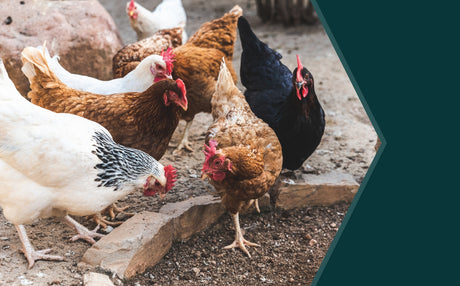

Calcium is one of the most important minerals for the health and value of your poultry and pigs. Whether you’re a hobbyist or keep animals commercially, ensuring your flock or herd receive adequate levels of calcium is essential for them to retain strong bones, maintain their health and, for chickens, continue healthy egg production.
So, as calcium is so important for poultry and pigs, how can you ensure they are receiving adequate levels of this mineral in their daily diets? The answer lies in effective liquid calcium supplementation.
Why Calcium is Essential for Chickens
It’s well-known that calcium for chickens is crucial for bone strength, muscle and nerve function and eggshell formation. However, for laying hens in particular, the requirement for calcium increases dramatically at around 55 weeks of age as this is when they reach peak production. During this period, hens can lay up to one egg per day.
As eggshells are composed primarily of calcium carbonate they require a significant amount of this to form. To source this, a hen will draw calcium from reserves in her bones and deposit it into her eggshells. This is a natural process but it can lead to issues if the calcium is not adequately restored after each egg is laid: especially in chickens bred to lay a higher frequency of eggs.
Without an adequately calcium-rich or supplemented diet, a hen will draw too much calcium from her bones until they are weakened and over time this can result in thin, fragile eggshells or even shell-less eggs: damaging profits as well as harming your hens health.
Strong eggshells are not just important for production. They serve as a barrier against bacterial contamination, helping to protect both the egg and the hen from disease. Adequate calcium for chickens also supports skeletal strength, including the keel bone, reducing the risk of hens going “off their feet” or developing hock and foot issues.
Optimising Calcium Intake Through Drinking Water
Calcium can be supplied effectively through drinking water using liquid supplements. This method has several advantages over feed-based supplementation. Dissolving calcium in water allows for more consistent intake throughout the day, ensuring hens and growing animals meet their calcium requirements even during periods of high demand, such as peak lay in layers or rapid skeletal growth in broilers.
A calcium, magnesium, vitamin D3 and phytase liquid calcium supplement for chickens, designed specifically to maintain strong eggshells and healthy bone density, such as the Quill Calcium Boost, is therefore a vital investment.
By including calcium in the drinking water, hens have direct access to the mineral when they need it most, supporting eggshell formation and preventing the depletion of bone reserves. Vitamin D3 in the formulation aids in calcium absorption, while magnesium supports skeletal development and overall metabolism. The phytase enzyme ensures that any phosphorus present in the diet is made available, which indirectly enhances calcium utilisation and bone strength.
Another advanced option of calcium supplement for chickens is our Quill Calcium Super Boost liquid supplement, which is also suitable for pigs. The super-dosing of phytase enzymes in this product ensures that all inhibitors of nutrient absorption are neutralised, allowing calcium to be efficiently absorbed throughout the digestive tract.
This is particularly beneficial for animals under rapid growth or heavy production stress, such as broilers reaching market weight or sows during lactation. The formulation improves bone formation, skeletal development and the overall wellbeing of your animals while maintaining consistent calcium intake; avoiding the fluctuations that can occur with feed-only supplementation.
Calcium Requirements Across Different Animals
For laying hens, peak production periods increase calcium requirements substantially. Adequate calcium supplementation ensures eggshells remain thick and strong, providing a natural barrier to disease and reducing breakages. Strong bones, particularly the keel, support mobility and help prevent foot and hock issues that can arise in high-producing hens.
In broilers, rapid growth places a heavy demand on the skeleton. Sufficient calcium supports leg and bone development, reducing hock marks, skeletal deformities and damage to breast meat, ultimately improving their overall performance and welfare.
Additionally, for pigs, calcium is essential at multiple stages. Piglets and weaners require high levels of calcium immediately after weaning to support their skeletal development and prevent joint problems later in life. Growing pigs benefit from calcium for maximum bone ash and structural growth, while lactating sows require additional calcium to maintain their health and support milk production for their litters.

Why Liquid Calcium Supplementation Works
Our liquid calcium supplement for chickens and pigs offers a clear advantage over feed-based methods: providing consistent intake, rapid absorption and better utilisation due to the inclusion of enzymes like phytase. In laying hens, this ensures that calcium is available precisely when eggshell formation occurs. In broilers and pigs, it supports bone growth and prevents developmental issues associated with rapid growth or high production demands.
Adding calcium to drinking water also allows for flexibility in dosing. For instance, during periods of poor eggshell quality, calcium can be administered daily for several days, while for maintenance, it can be supplied a few times per week. This targeted approach ensures optimal supplementation without overuse. Using a water sanitiser when dosing is recommended to prevent biofilm buildup and maintain water quality.
This approach demonstrates that calcium is not just another nutrient: it is a cornerstone of poultry and pig health. Proper supplementation can enhance eggshell quality, skeletal strength and overall animal performance, benefiting both small-scale keepers and commercial operations alike. By using a liquid calcium supplement for chickens and pigs, producers can ensure consistent intake, improved absorption and stronger, healthier animals.